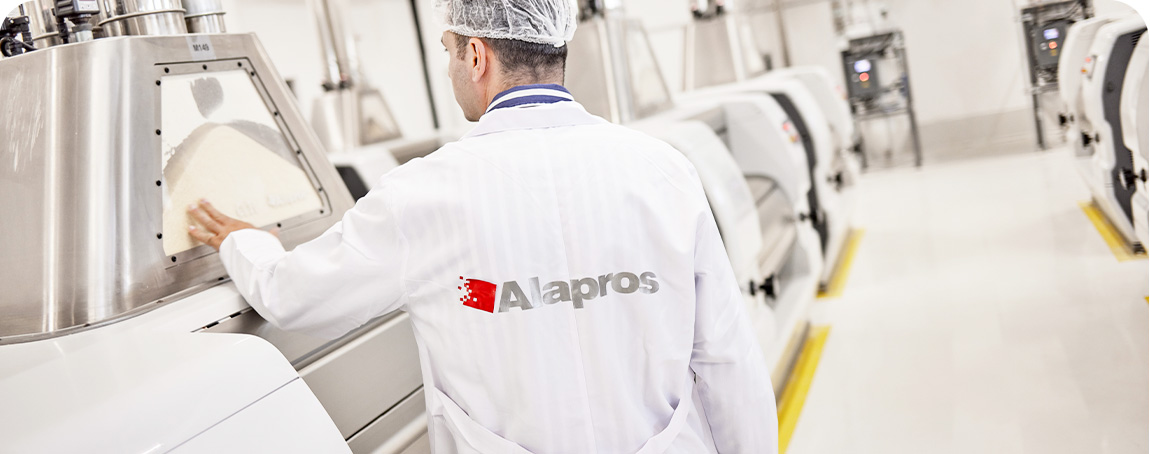

Why Turnkey Flour Mill Projects Are the Smartest Investment for Modern Grain Processing
Building a flour mill is far more than purchasing a collection of machines. A successful milling operation depends on how every stage of the process works together—from grain reception and cleaning to milling, packaging and automation. When these systems are planned separately, projects often face delays, unexpected costs and operational challenges after commissioning.
This is why more investors are choosing turnkey flour mill solutions. By working with a single engineering partner from the initial planning phase to final commissioning, businesses can reduce project risks while achieving higher production efficiency from day one.
What Is a Turnkey Flour Mill?
A turnkey flour mill is a complete grain processing facility delivered by one supplier under a single project responsibility. Instead of coordinating multiple manufacturers, contractors and engineering firms, the customer works with one experienced partner who manages every stage of the investment.
The scope typically includes:
- Process engineering
- Plant layout design
- Machine manufacturing
- Civil engineering coordination
- Installation
- Automation
- Commissioning
- Operator training
- After-sales technical support
This integrated approach ensures that every component of the plant is designed to work together as one efficient production system.
Why Single-Source Project Management Matters
Large industrial projects involve hundreds of technical decisions. Even small communication gaps between different suppliers can lead to installation problems, reduced capacity or unnecessary operating costs.
Choosing an experienced flour mill manufacturer that handles the complete project eliminates many of these risks.
With one engineering team responsible for the entire facility, project schedules become easier to manage, technical compatibility is ensured and decision-making becomes much faster throughout the construction process.
Every Successful Flour Mill Starts with Proper Planning
One of the biggest mistakes in milling investments is focusing only on machine capacity while overlooking the overall production process.
Before manufacturing begins, experienced engineering teams evaluate several key factors:
- Daily production capacity (TPD)
- Grain type
- Final product portfolio
- Local regulations
- Available building dimensions
- Utility requirements
- Future expansion plans
A detailed needs analysis allows the entire production line to be designed according to the customer's long-term business objectives rather than immediate production requirements alone.
Process Design Determines Long-Term Performance
The efficiency of a milling plant depends on much more than individual machine quality. Material flow, pneumatic conveying, product separation, aspiration systems and automation must operate as a fully integrated process.
Professional process design helps optimize:
- Energy consumption
- Product yield
- Flour quality
- Maintenance accessibility
- Production flexibility
- Operational safety
A well-designed flowsheet reduces unnecessary product movement while improving overall plant performance.
Why 3D Plant Simulation Is Becoming the Industry Standard
Modern turnkey grain milling plant projects increasingly rely on digital simulation before manufacturing begins.
Three-dimensional plant models allow engineers and customers to verify:
- Building compatibility
- Machine positioning
- Maintenance access
- Conveyor routing
- Utility installations
- Future expansion possibilities
Identifying potential issues before production starts helps prevent costly modifications during installation.
Manufacturing Quality Makes the Difference
The performance of any milling plant ultimately depends on the quality of its equipment.
Manufacturers with their own production facilities maintain greater control over machining accuracy, material selection, quality inspection and final assembly. This results in equipment that delivers reliable performance under continuous industrial operation.
Working with a company that combines engineering and manufacturing under one roof also simplifies communication throughout the project lifecycle.
Installation Is More Than Machine Assembly
Even the best equipment cannot achieve its designed performance without proper installation.
Professional commissioning teams carefully align machinery, connect pneumatic systems, configure electrical infrastructure, calibrate automation and test every production stage before commercial operation begins.
This systematic approach minimizes downtime and allows production to reach its designed capacity more quickly.
Long-Term Support Protects Your Investment
A flour mill is expected to operate efficiently for decades. For that reason, after-sales support should be considered just as important as the initial project delivery.
Reliable suppliers continue supporting customers through:
- Operator training
- Preventive maintenance recommendations
- Spare parts availability
- Technical consulting
- Process optimization
- Remote troubleshooting when required
Continuous technical support helps maintain production efficiency while reducing unexpected downtime throughout the plant's operational life.
Choosing the Right Turnkey Flour Mill Partner
Selecting the right supplier is one of the most important decisions in any milling investment.
Beyond machine specifications, investors should evaluate:
- Engineering expertise
- Manufacturing capability
- International project experience
- Automation knowledge
- Installation capacity
- Quality management processes
- Long-term technical support
Companies that have successfully delivered projects across different countries and grain markets typically possess the experience required to adapt each facility to local production conditions.
Conclusion
A modern flour mill is an integrated production ecosystem where engineering, machinery, automation and operational expertise must work together seamlessly. Choosing a turnkey flour mill solution allows investors to simplify project management, reduce technical risks and achieve reliable production performance from the very beginning.
As global demand for efficient grain processing continues to grow, professionally engineered turnkey projects provide a solid foundation for sustainable production, consistent product quality and long-term operational success. For businesses planning a new milling investment or expanding an existing facility, partnering with an experienced flour mill manufacturer remains one of the most effective ways to maximize both productivity and return on investment.