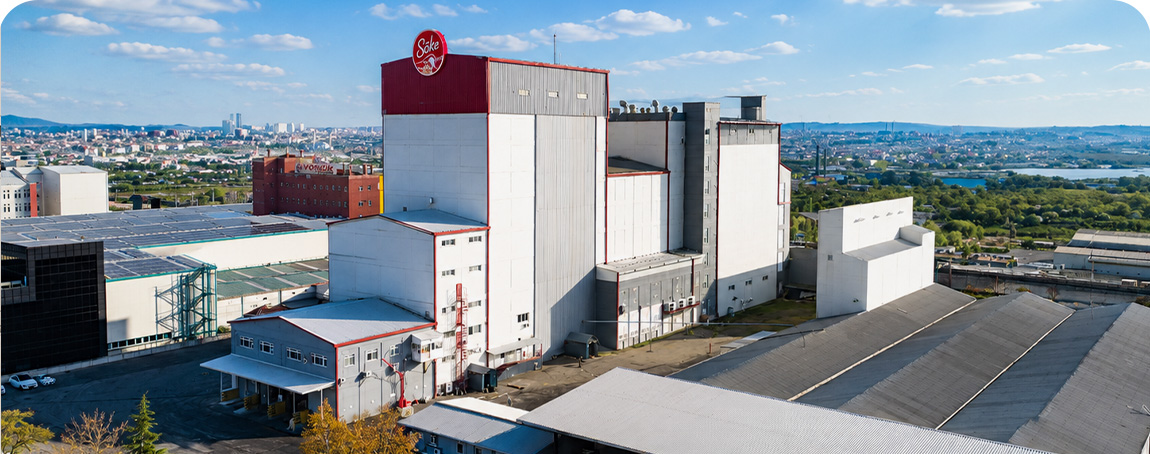

Choosing the Right Turnkey Flour Mill Manufacturer: What Every Investor Should Know
Investing in a grain processing facility is one of the most important decisions for food manufacturers, agricultural companies, and industrial investors. Whether the goal is producing wheat flour, maize flour, semolina, feed, or processed rice, the long-term success of the investment depends heavily on selecting the right turnkey flour mill manufacturer.
Many investors initially compare machine specifications or equipment prices. However, the real value lies in engineering expertise, integrated project management, process optimization, and long-term technical support. A milling plant is a complete production ecosystem where every component influences the performance of the entire operation.
Choosing an experienced turnkey partner significantly reduces investment risks while maximizing production efficiency for many years.
More Than Equipment Manufacturing
A professional turnkey supplier does far more than manufacture milling machinery. Its role begins long before production starts.
Engineering teams analyze production goals, evaluate site conditions, prepare process designs, coordinate building layouts, manufacture equipment, supervise installation, integrate automation systems, commission the facility, and continue supporting operations after startup.
This integrated responsibility creates consistency throughout the entire project lifecycle.
Engineering Determines Long-Term Performance
Every flour mill is unique. Raw material characteristics differ from one region to another. Customer expectations vary according to local markets. Building regulations, utility infrastructure, climate conditions, and production capacities also influence engineering decisions.
A turnkey manufacturer considers all these variables before preparing the final process design. The objective is not simply to build a factory but to create a production facility capable of operating efficiently for decades.
Process Integration Is Essential
Modern milling plants consist of numerous interconnected production stages. Cleaning, conditioning, milling, sifting, purification, flour handling, filtration, storage, and packing must all operate as one continuous process.
If one section performs below expectations, the entire production line is affected. This is why process integration represents one of the most valuable aspects of turnkey engineering.
Rather than optimizing individual machines independently, engineers optimize the complete production system.
Comprehensive Machine Portfolio
A complete grain processing facility requires specialized equipment for every production stage.
The cleaning section prepares incoming grain using Electronic Sorting, Vertical Debranners, Vibratory Grain Separators, Classifier Destoners, Intensive Scourers, Scourers, Trieurs, Hammer Mills, and Box Magnets.
The milling section includes Roller Mills, Square Plansifters, Control Plansifters, Semolina Purifiers, Bran Finishers, Vibratory Bran Finishers, Impact Detachers, and Extraction Scales.
Handling and filtration systems such as Air Locks, Jet Filters, and Combinators ensure efficient pneumatic transportation while maintaining a clean production environment.
The packing area completes the process with Automatic Packing Machines, Vibratory Dischargers for Flour and Bran, and Entoleters. When designed as one coordinated system, these technologies provide stable production and consistent product quality.
Why 3D Plant Design Matters
Modern engineering increasingly relies on digital simulation. Before manufacturing begins, engineers create a complete three-dimensional model of the facility.
This simulation enables customers to review equipment positioning, maintenance access, production flow, structural requirements, and energy optimization before construction starts.
Identifying improvements during the digital phase saves valuable time during installation while reducing future operational challenges.
Worldwide Experience Creates Better Solutions
Every region presents unique production conditions. Climate, grain quality, customer preferences, available utilities, and local regulations all influence engineering decisions.
Manufacturers with international project experience are better prepared to adapt their designs to different markets. Having successfully completed projects across Europe, North Africa, Central Asia, the Americas, and many other regions, Alapros has developed engineering solutions capable of meeting diverse customer requirements while maintaining consistent quality standards.
International references also demonstrate a company's ability to manage complex industrial projects under different operating conditions.
Technical Support Continues After Startup
One of the biggest misconceptions is that a project ends once commissioning is complete. In reality, long-term operational success depends on continuous technical support.
Operator training, spare parts supply, preventive maintenance, process optimization, and engineering consultation all contribute to maintaining production efficiency throughout the plant's lifecycle.
Choosing a manufacturer capable of providing this ongoing partnership creates substantial long-term value for any turnkey flour mill investment.
What Investors Should Look For
Before selecting a turnkey flour mill manufacturer, investors should evaluate several key factors:
- In-house engineering capabilities
- Manufacturing quality
- Process design expertise
- Automation integration
- International project experience
- Installation and commissioning services
- Technical training
- Spare parts availability
- Long-term customer support
A supplier that combines all these competencies can deliver significantly greater value than companies focused solely on machinery production.
Conclusion
A successful grain milling investment is built on engineering excellence, integrated project management, and long-term partnership. While machinery remains an important component, the true performance of a milling plant depends on how every process is designed, connected, and supported throughout its operational life.
By working with an experienced turnkey flour mill manufacturer, investors gain a reliable partner capable of managing every project stage - from initial concept and facility design to manufacturing, installation, commissioning, and continuous technical support. This integrated approach helps create efficient, sustainable, and future-ready grain processing facilities for wheat, maize, semolina, feed, and rice production.